Why Esports Coaching Isn’t Optional Anymore
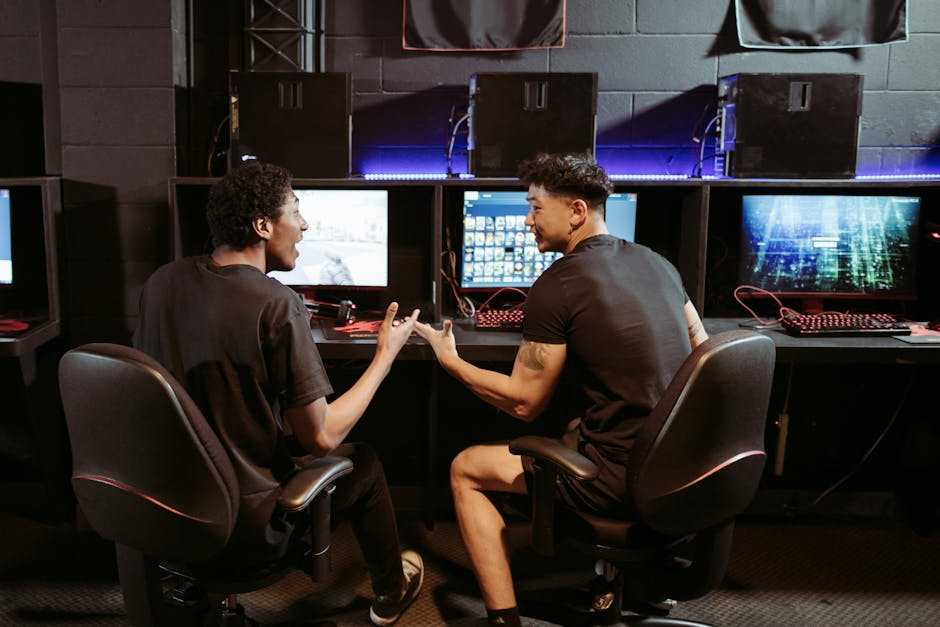
Competitive gaming isn’t winging it with raw talent anymore. Structure is creeping in daily scrims, VOD reviews, scheduled breaks, even fitness sessions. Top tier orgs have formal training regimens that rival traditional sports programs. It’s not just about who clicks fastest. It’s about who plays smart, who communicates clearly under pressure, and who executes a strategy without cracking.
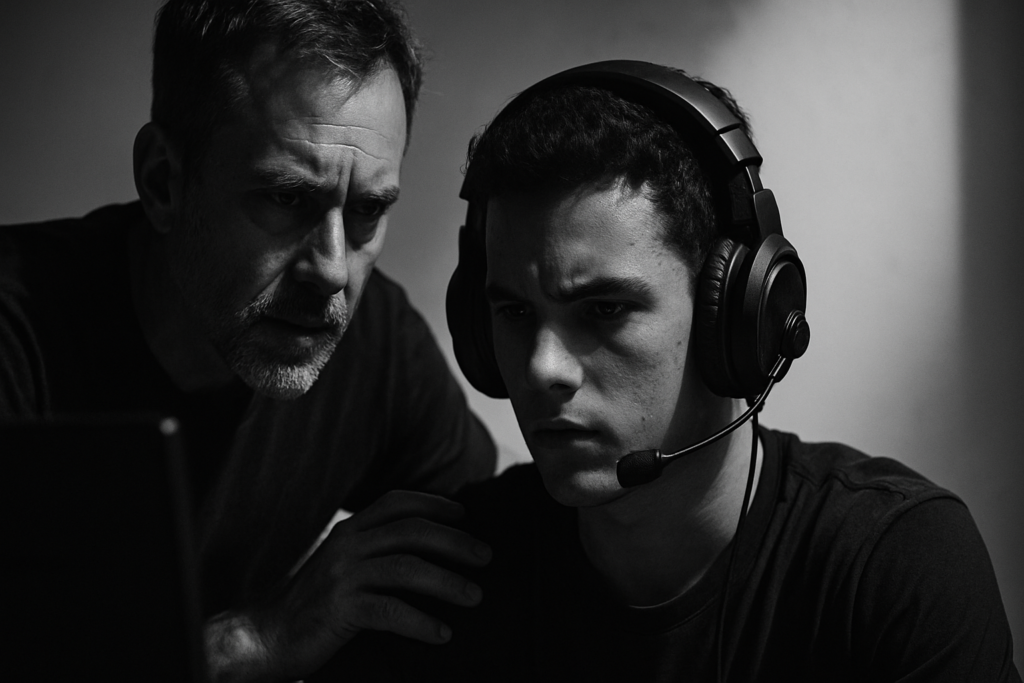
Coaching in esports now carries weight, much like it does on the court or field. Coaches build practice plans, call out blind spots, and bring a bird’s eye view that players can’t always access mid game. They’re the glue between individual stars and a functioning team unit.
At the highest levels, raw skill isn’t the bottleneck. Most players are cracked. What separates wins from losses is execution, decision making, and prep. That’s where coaching flips the switch. Structure turns potential into pressure proof performance.
Core Areas a Coach Impacts
Behind every top tier esports team is a coach who helps sharpen more than just gameplay. Esports coaching today touches nearly every dimension of team success from tactical plays to emotional stability. Here’s a breakdown of the core areas where coaches make a real difference:
Team Coordination and Communication
Great communication isn’t just about callouts it’s about synergy, timing, and trust. Coaches work to build a shared language among teammates, ensuring efficient in game communication and decision making:
Establishing standard comms protocols
Creating call hierarchies so shotcalling stays clear
Running drills to strengthen reflexive team responses
Reviewing and Analyzing Match Footage
Post game analysis is where improvement actually happens.
Coaches break down team and individual performance
Identify micro and macro level mistakes
Use footage to highlight both missed opportunities and positive habits
This reflective process helps players understand not just the what, but the why behind game outcomes.
Mental Toughness and Tilt Control
Esports demands high emotional stamina, especially in multi game series or high pressure tournaments. Coaches help players stay mentally grounded:
Pre match routines to build focus
Debriefing after losses to lower emotional hangover
Coaching tilt management strategies for real time reset
The mental game often decides matches just as much as mechanical skill.
Custom Game Plans for Different Opponents
One size fits all doesn’t work at the highest levels. Great coaches tailor strategies:
Scouting reports that expose opposing team habits
Champion draft plans or map strategies based on opponent weaknesses
Counter strats that exploit predictable rotations or set plays
Preparation at this level helps teams walk onto the stage with confidence and a clear game plan.
Data Driven Decisions
Esports coaching in 2024 isn’t just about instinct or game sense it’s about making smarter decisions through data. With access to analytics platforms and performance tracking tools, coaches now have the power to refine strategies in real time.
Smarter Drafts and Rotations
Game drafts and in game rotations aren’t decided on gut feeling alone anymore. Analysts and coaches leverage detailed data to make precise calls based on:
Player performance by role and opponent
Historical win rates on specific maps or champions
Most effective pick ban combinations per patch
This data equips coaches to create draft strategies that are both flexible and highly situational.
Real Time Feedback With Dashboards
Coaches can now provide performance feedback immediately after (or even during) a match using performance dashboards. These tools track metrics like:
Damage per minute
Gold efficiency
Objective control times
Cooldown and ultimate usage timing
This enables instant tactical adjustments, rather than waiting for post tournament reviews.
Adapting to the Ever Shifting Meta
The meta in esports changes constantly what works one week might be nerfed the next. Great coaches stay ahead of the curve by:
Analyzing patch notes for strategic opportunities
Identifying trends in champion/item balance changes
Prioritizing adaptability during practice sessions
By keeping their team ready to pivot with each update, they maintain a competitive advantage over slower teams.
Success today isn’t just about playing well it’s about adapting faster than the competition.
From Solo Queue to S tier Teams

Coaching isn’t just for polishing elite squads it’s the backbone of turning raw talent into competitive force. Many up and coming players grind mechanics in solo queue, but that only carries them so far. The gap between amateur and pro often hinges on things most players can’t see in themselves: predictability in movement, poor rotations, or an underdeveloped game sense. A good coach spots those blind spots and works them out, rep by rep.
Great coaches know how to structure growth. They bulk up fundamentals, challenge decision making, and inject tactical discipline. One on one reviews, targeted scrims, map specific drills they build players from the ground up. Some of the strongest rosters today started in tier 2 circuits where rough edges were filed down with ruthless precision.
Take the rise of squads like Ember Reign and NovaCore. Both teams were journeymen outfits a year ago. After bringing in coaching staff that focused on consistency, vision control, and layered teamfighting, they not only moved up the ranks they started beating rosters stacked with better mechanical players. Coaching turned them pro.
In esports, talent opens the door. Coaching walks you through it.
Confirmed Impact on Match Results
Midway through a tournament, pressure cracks even the cleanest gameplans. That’s where coaches earn their keep. Good coaching turns a flat start into a deep run. Behind every second half surge, there’s a mind reading momentum, managing egos, and tweaking execution not just watching replays, but reframing strategy on the fly.
Drafts get more deliberate too. Coaches study opponent patterns, flip priorities in champ selection, and apply discipline to chaotic team tendencies. It’s no longer just about ‘best available’; it’s about synergy, mental fatigue, and setting traps for predictable enemies.
Look at recent playoff upsets teams like ThunderEdge and ZeroGrav weren’t coming in hot. But with fast adaptation, new pick strategies, and smarter map bans, they clawed back. Coaches spotted weak rotations, leaned into unexpected comps, and drilled mindset resets between matches. The results weren’t flukes; they were built.
For a closer look at the tactical pivots that led to real victories, see these winning team strategies.
What the Best Coaches Actually Do
Top tier coaches don’t just bark orders from behind the screen. They build systems. A consistent review and practice routine is where it starts habitual film study, focused scrims, and clear benchmarks. This isn’t about grinding until burnout; it’s about precision. Knowing when to push and when to pause. That kind of structure separates contenders from casual stacks.
Trust is another layer. Championship rosters aren’t just five cracked players they’re built on a unit where everyone knows their role, from analysts to assistant coaches. Support staff become lifelines in high pressure series, but only when the team culture sees and respects them.
And then there’s identity. The best coaches help players see where they fit in a roster’s bigger picture. Not just what they do in game, but why it matters. Whether it’s the rookie’s first split or a veteran’s ninth playoff run, coaches turn raw individual style into a shared goal.
Need proof in motion? Check how elite teams win more than just matchups they win through layered planning. Dig deeper into what sets them apart here: winning team strategies.
Final Word: Coaching as the X Factor
Scratch the surface of any high performing esports team and you’ll find the same thing: structure. Not flashy plays or Twitter drama just hardwired systems behind the scenes keeping everything running. Whether it’s daily VOD reviews, disciplined scrims, or player mental check ins, top teams don’t leave details to chance.
Talent can get you on stage. Coaching gets you to finals. Anyone can aim, click, and frag. But executing under pressure, adapting mid match, and recovering after a rough loss? That takes leadership, trust, and accountability. Which is exactly what a good coach builds.
If you’re betting your growth on pure mechanics, you’re already a step behind. The next real edge isn’t faster reflexes it’s tighter culture, smarter prep, and knowing what to do when things fall apart. That’s not magic. That’s coaching.