You know that breathless second after you finally kill Phrike.
Heart pounding. Hands shaking. You just survived the biome that broke you ten times before.
That feeling isn’t accidental. It’s engineered.
And if you’ve ever asked What Type of Returnalgirl Game actually is, you’re not just chasing a label. You’re trying to name the thing that keeps pulling you back.
I’ve died in that House more times than I care to count. Watched the walls breathe. Felt the floor shift under me while the radio crackled static.
I’ve studied every loop. Every enemy placement. Every time the game lies to you with its own rules.
This isn’t about slapping “roguelike” or “bullet hell” on a box.
It’s about what makes these games stick in your chest long after you quit.
I’ll show you the real blueprint. Not theory. Not marketing talk.
Just what works. And why.
You’ll walk away knowing exactly what to look for next time.
Pillar 1: The Punishing, Addictive Roguelike Loop
I died in this guide 47 times before I stopped counting.
It’s not a bug. It’s the point.
This is a third-person shooter built on a roguelike structure. Meaning every run ends for good when you die. No checkpoints.
No saves. Just you, your reflexes, and whatever gear you managed to keep.
But here’s what saved me from rage-quitting: permanent progression.
Every cycle unlocks new artifacts. Every failure teaches you how Atropos reshuffles its halls. You don’t memorize paths.
You learn patterns (then) watch them break.
The map changes every time. Not just the rooms. The lighting.
The enemy spawns. Even the floor texture shifts (which sounds dumb until you’re squinting at a corridor that looks safe but isn’t).
Combat? It’s bullet hell with boots on.
Projectiles fill the screen. Not in waves (all) at once. You move or you die.
There’s no pause. No breathing room. Your dash isn’t optional.
It’s oxygen.
And parasites? They’re not flavor text.
They attach mid-run. Some boost damage. Others cripple your reload.
You choose (now) — knowing it might cost you the next boss fight.
Malfunctions do the same. One glitch gives you double jump. Another makes your HUD flicker black for two seconds.
You weigh risk like currency.
What Type of Returnalgirl Game? It’s the kind where losing feels like learning (until) it doesn’t.
If you want to see how the loop holds up across dozens of runs, check out the Returnalgirl overview page.
I still panic when the screen flashes red.
But now I dodge before I think.
Narrative Isn’t Wallpaper. It’s the Loop
I don’t care how cool your gun sounds. If the story just plays over the top like bad elevator music, you’ve already lost.
Returnal taught me this the hard way: What Type of Returnalgirl Game matters less than whether the story breathes with every reload.
The loop isn’t a gimmick. It’s the plot. Every death cracks open another piece of Selene’s memory.
Every rebirth forces her (and) you. To confront what you just forgot.
That’s why the House sequences hit so hard. You’re not watching cutscenes. You’re standing in a hallway that wasn’t there last run.
Your own footsteps echo wrong. The lights flicker your name.
(Yes, it’s creepy. Yes, it’s intentional.)
Scout logs? I read three from different timelines before realizing they’re all me. Same voice.
Same panic. Different endings.
Xenoglyphs on the wall don’t translate right away. You see them once. Then again.
Then again. And suddenly, one glyph clicks. It means “anchor.” Or “lie.” Or “you’re not the first.”
Item descriptions are where the real work happens. That pistol doesn’t just do damage. Its description says: *“Weight feels familiar.
Grip matches no known model. Feels like it’s been waiting.”*
Why is the loop happening? That question is the gameplay. You shoot.
You die. You ask again. You find a log.
You die again. You remember more.
It’s not about answers. It’s about the ache of asking.
If your player never pauses mid-fight to wonder why they keep waking up here, you’ve missed the point.
The environment tells the story. Not the menu. Not the pause screen.
The floor you’re standing on.
Pillar 3: The World Is Watching You
This isn’t just background. It’s breathing down your neck.
I’ve played games where the setting felt like set dressing. This one? The air tastes metallic.
The ground vibrates underfoot. Not from explosions, but because something else is pulsing deep below.
That’s the point. The world itself is the antagonist. Not a boss fight.
Not a cutscene villain. Just… there, hostile and ancient.
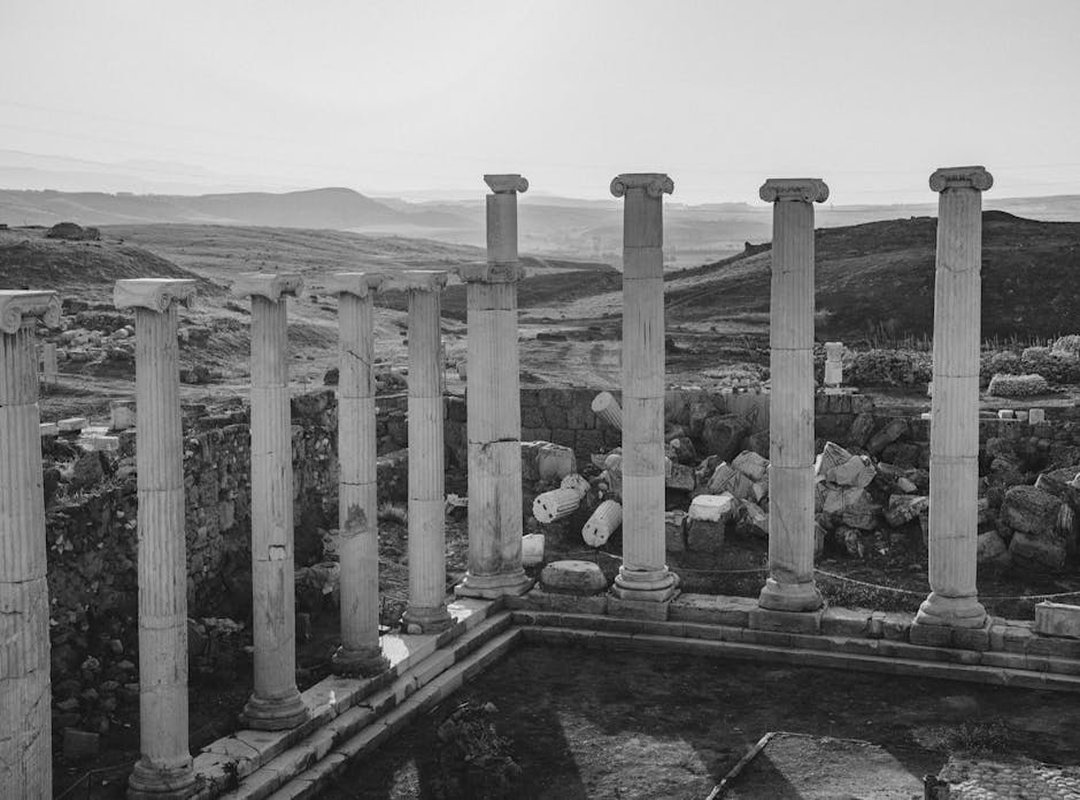
You see it first in the visuals. Think Giger’s biomechanical dread fused with crumbling alien temples half-swallowed by glowing, thorned vines. That violet moss on the wall?
It pulses when you walk past. (And yes, it’s watching.)
Sound design isn’t layered on top (it) is the atmosphere.
You can read more about this in Returnalgirl old version.
3D audio tells you exactly where that skittering thing is hiding (left,) right, above. Ambient noise never settles. A low hum.
Dripping water that doesn’t sound like water. And the soundtrack? All analog synths, no melody (just) slow, rising tension.
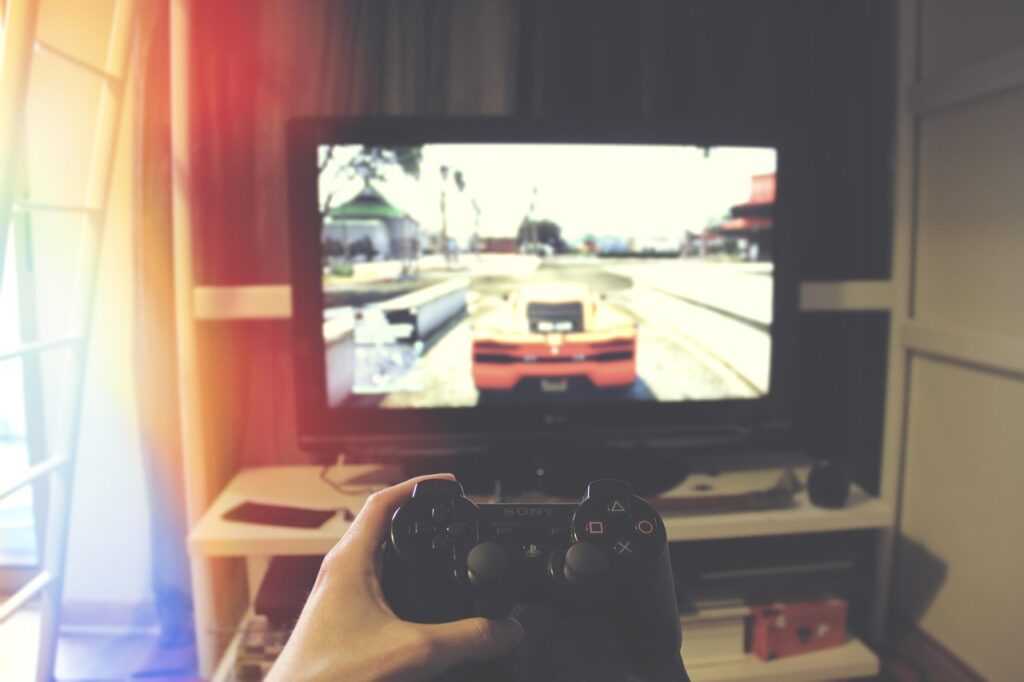
Then there’s the DualSense. Rain hits the controller like cold static. Adaptive triggers make alt-fire feel like jamming a rusted lever.
It’s not gimmicky. It’s necessary.
You don’t just play this game. You survive inside it.
What Type of Returnalgirl Game is this? One where the environment refuses to let you forget you’re unwelcome.
The Returnalgirl old version already leaned into this. But here, it’s weaponized.
No safe corners. No quiet moments. Just pressure.
You’ll flinch at shadows before you even know why.
That’s not immersion. That’s infection.
What’s Next? Let’s Break the Loop
I played Returnal for 87 hours. Then I uninstalled it. Then I reinstalled it.
That loop stuck with me. Not just the gameplay. The idea of it.
What Type of Returnalgirl Game would actually hold up under that pressure? Not just reskinned enemies. Not just another planet.
A cursed knight reliving the same battle? Yes. But only if the sword feels heavier each time.
(And it should.)
A deep-sea trench where time doesn’t flow. It leaks? Maybe.
If the oxygen meter isn’t just a number, but a memory you lose.
Co-op in a shared loop? Terrible idea. Unless betrayal is baked into the respawn.
Melee instead of shooting? Hell yes. If every parry risks rewinding your own muscle memory.
You ever notice how most roguelikes treat death as a reset button? Not a scar.
I want the next one to hurt differently.
Not more difficulty. More consequence.
More weight.
More you.
Check out how one team twisted the formula into something weirder (the) Returnalgirl version of playing.
Returnal Didn’t Start This. It Just Lit the Fuse
I’ve seen how those three pieces fit: the punishing but fair roguelike loop, the mystery that breathes through every line of dialogue, the atmosphere that sticks to your skin.
That’s not just design. That’s intention. Every element leans on the others.
Take one away and the whole thing sags.
You felt it in What Type of Returnalgirl Game. That rare buzz when gameplay, story, and mood lock in.
Most action games still treat story as cutscenes between fights. This subgenre refuses that split.
It’s not about difficulty for difficulty’s sake. It’s about making you care what happens next (even) after you die.
And yeah (you’re) already wondering what else out there hits like this.
Go find them. Play Dead Cells with its lore logs. Try Signalis for dread that builds slowly.
Watch for Cassette Beasts or Tunic’s deeper layers.
Your turn.
Start now.