
Character Selection: Picking the Right Persona
Every solid cosplay build starts with the right character choice. And no, it’s not about chasing trends it’s about finding the right fit for you. Think about your skill level first. If you’ve never stitched a hem or heat formed foam, throwing yourself into a full body mech build probably isn’t where you want to start. There’s no shame in scaling down. Plenty of characters with simple designs still pack a punch when done cleanly.
Your body type, style, and comfort matter, too. A good cosplay match flatters, feels achievable, and gives you confidence on the con floor. That doesn’t mean limiting yourself it means knowing how to adapt. Oversized sword? Maybe craft a foam version that breaks down for travel. Combat heels? Consider swapping to something ergonomic that still sells the look.
Just as important: fandom connection and recognizability. When you love the character, people feel it. Pick someone whose energy you vibe with whether it’s chaotic, soft spoken, or stoic. Passion helps with those long crafting nights and makes posing in public a lot less awkward. And when your audience can spot your character instantly, those photo ops and online shares come easier.
Last point don’t be afraid to add your own flavor. Gender swap it. Punk it out. Go vintage. Iconic looks are great, but a personal twist can set you apart. Cosplay’s a creative movement, not a test in perfection. Make it yours.
Reference Gathering: Accuracy Starts Here
If you’re only grabbing one or two reference images, you’re not doing it right. The foundation of a solid cosplay build starts with a complete visual map. First, get full body screenshots of the character from every angle front, back, both sides. Then go in for tight shots of accessories, fabric textures, props, and any weird details most people miss (like belt buckles, insignias, or layered armor seams). Every pixel counts later when you’re knee deep in foam and paint.
Official art is your baseline, but it rarely shows all sides. Dive into fan made concept reels, cosplay turnarounds, and 3D model rips if available. Game pause screens, pre rendered cutscenes, and merch art can also fill gaps. Just make sure your sources are consistent mixing five versions of a costume can create more harm than good.
Last step: stay organized. Dumping 80 images into a folder labeled “cosplay stuff” won’t help you mid build. Group them by category armor, fabric, weapons, hair, etc. Use cloud sync like Google Drive or a tablet based reference board so you’re never guessing what version you’re building. It’s not sexy, but it’s critical. This is your blueprint. Make it clean. Make it count.
Crafting the Look: Materials and Techniques

Let’s be honest cosplay builds can get expensive fast. The trick is knowing where to spend, and where you can cut corners without hurting the final result. For materials, EVA foam remains king for armor it’s cheap, light, and endlessly flexible. Look for floor mats at hardware stores or online sellers like Foamsmith Supply and TNT Cosplay. Thermoplastics (like Worbla) are pricier but work great for detailed pieces Pro tip: smaller scrap sheets can go a long way in accents. Fabrics? Hit up thrift stores, clearance bins, and discount sections at local shops or sites like Fabric.com and Spoonflower’s sale page.
As for tools, start with the basics: a solid heat gun, a rotary cutter with fresh blades, and a big container of contact cement (it becomes your best friend fast). Add a good craft knife, metal ruler, and clips, and you’re set for most beginner builds. Armor building with foam involves heating, shaping, layering, and sealing before you get to paint. Sew simple shapes with flat seams to get started with garments, and for props think foam cores, PVC pipes, and patience.
Don’t ignore safety. Sanding foam sends particles in the air you need a mask. Sealing and painting? Ventilation and gloves are non negotiables. Get used to wearing eye protection, too. It might not be glamorous, but it keeps you in the game.
For a full build breakdown, including advanced tips, check out this cosplay transformation guide.
Makeup, Wigs, and Final Touches
Bringing a character to life goes far beyond costume construction. This stage is where the transformation becomes truly immersive through detail driven makeup, styled wigs, and key enhancements like contacts or body paint.
Sculpting with Makeup
Character specific makeup can drastically elevate a cosplay by emphasizing your subject’s personality and facial structure. Whether you’re going for a dramatic villain or a soft fantasy hero, contouring and shading play a major role.
Use reference images to match eyebrow shape, eye makeup style, and skin tone
Highlight and contour to mimic exaggerated features from animated or game characters
Use long wear formulas for conventions or long photoshoots
Add dramatic liners, highlighters, or even prosthetics for otherworldly looks
Wig Styling Essentials
Wigs can make or break the illusion. Even the most accurate costume falls short with a poorly styled wig. Invest the time and learn the basics:
Cut, tease, and layer your wig to match your character’s hairstyle
Use small amounts of heat (if safe) with hairspray or glue to create spikes or volume
Secure with wig caps, pins, and even elastic straps for active photoshoots or performances
Practice putting it on properly consistency matters
Enhancing Believability: Contacts & Body Paint
For many characters, eye color, skin tone, or facial markings define their otherworldly presence. Subtle adjustments go a long way in enhancing immersion.
Colored contact lenses can help replicate a character’s iconic eye color or shape; use FDA approved brands and always follow hygiene protocols
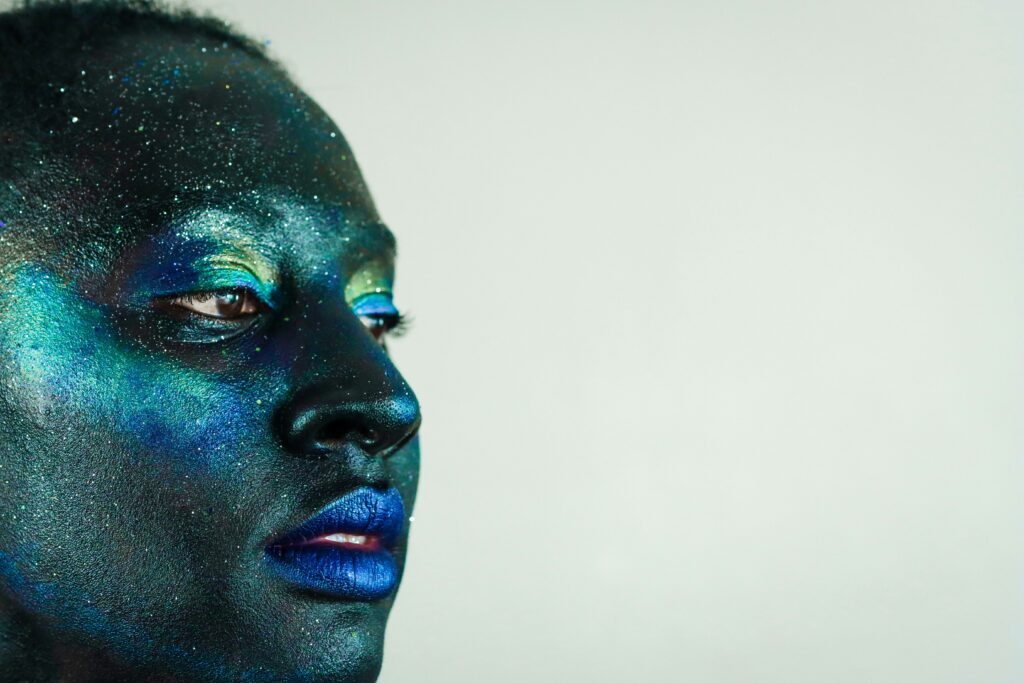
Body paint can cover exposed skin to match fantasy tones (such as blue, green, or pale anime shades)
Seal your work with setting sprays or powders to reduce smudging and wear
These finishing touches help unify your cosplay, taking it from a costume to a full blown transformation. When the makeup, wig, and gestalt details come together, it increases recognition, shares, and credibility among fans and judges alike.
Bringing It to Life: Posing and Performance
Once your costume is built, styled, and cleaned up, the real work starts bringing the character to life. It’s not just about looking the part. You need to move like them.
Start by studying movement. Watch game cutscenes, anime openings, or movie trailers. Break down how your character walks, how they hold their head, how they enter a room. Practice these walk cycles and postures until they feel natural. Add in a few signature expressions or gestures something instantly recognizable. These are the details that take your transformation from imitation to embodiment.
Next, think about your digital presence. Your Instagram and TikTok aren’t just galleries they’re stages. Use reels and short form clips to showcase movement, before and afters, or character interactions. Play with transitions, lip syncs, or even duets to show your versatility. People follow cosplayers not just for craft, but for character.
Finally, use your complete transformation as leverage. Join contests. Pitch brand collaborations, especially if your cosplay lines up with games, shows, or upcoming releases. Being in character makes you stand out and that’s the point. Whether on a con floor or a live stream, people remember performance.
Leveling Up: Tips from Pro Cosplayers
Balancing cosplay with real life isn’t always glamorous and most pros are juggling way more than just foam and fabric. Time management becomes muscle memory. Successful cosplayers carve out hours like clockwork: two hours after work for builds, weekends for photoshoots, and vacation days for conventions. It’s a grind, but having a clear calendar (with buffer time) keeps stress from nuking your creativity.
Where many level up fast? Networking. Collaborate with photographers who understand cosplay angles. Get friendly with editors who know how to blend realism with fantasy. Team up with other creators for cross promo shoots or shared booth space at cons. These connections open doors and sometimes score you a last minute badge or spotlight panel.
But here’s the biggest shift: confidence isn’t about perfection. No build is flawless. No wig holds up to six hours of summer humidity. The creators who last are the ones who embrace the mess, post anyway, and keep learning. Cosplay is art in motion. Stop chasing perfect. Start showing up.
Explore the full cosplay transformation guide for more in depth techniques, material suggestions, and expert interviews.