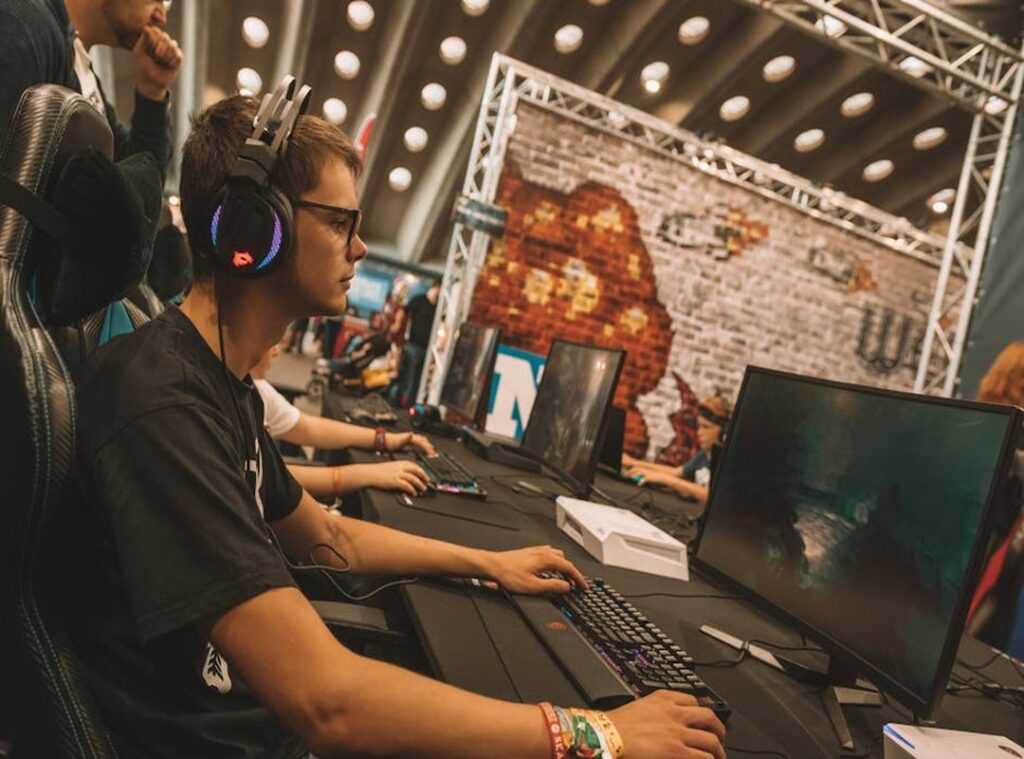
You’ve seen it. That packed arena. The lights.
The roar. The players in crisp jerseys, headphones on, fingers flying.
If this looks like sport (and) feels like sport (why) does anyone still argue it isn’t?
I’ve watched esports grow from basement LAN parties to sold-out stadiums. Talked to coaches who train players like Olympic athletes. Sat with referees who enforce rulebooks thicker than most college textbooks.
This isn’t about defending gaming.
It’s about asking: what actually defines a sport?
We’ll break it down. Physicality, skill, competition, organization, cultural weight (and) match each to real examples from League, Dota, CS2, and more.
No hype. No fanboy talk. Just clear criteria.
And proof that fits.
I’ve spent years inside the infrastructure. Interviewed players mid-tournament. Studied how ESL structures leagues.
Watched the IOC shift its stance (twice.)
Why Gaming Should Be a Sport Zeromaggaming isn’t a slogan.
It’s a question with concrete answers.
You’ll walk away knowing exactly what skeptics get wrong. And why educators, parents, and newcomers can stop guessing.
This is the breakdown they asked for.
And the one the debate finally needs.
Skill, Plan, and Reflexes: Not Just Clicking
I’ve watched pro StarCraft II players hit 350 APM for hours. That’s not typing. That’s your brain firing commands faster than your hand can register them.
Sub-200ms reaction time in CS2? Yeah. That’s faster than a blink.
And it’s required (not) optional.
You think chess players sit still? Try doing that while your heart rate spikes like you’re dodging bullets in Valorant. It’s the same cognitive load.
Same stress response.
Elite Dota 2 draft phases involve 45+ coordinated strategic variables. More than most NFL teams run in an entire game plan. Try explaining that to someone who thinks gaming is “just pressing buttons.”
I trained with a League of Legends team once. Their daily schedule? Eight hours of scrimmages.
Two hours of hand therapy. One hour on the treadmill. No joke.
They tracked wrist flexion, eye fatigue, glucose levels mid-match. This isn’t hobbyist stuff. It’s physiology + psychology + precision.
A 2021 study in Frontiers in Psychology found elite gamers show working memory expansion comparable to grandmasters. And visual processing speed on par with F1 drivers. (Source: DOI:10.3389/fpsyg.2021.627891)
Why Gaming Should Be a Sport Zeromaggaming? Because it is. Not “should be.” It already is.
Zeromaggaming covers this without flinching.
Most people don’t train like this for anything.
You wouldn’t call ballet “just dancing.” So stop calling this “just gaming.”
It’s sport. Full stop.
Why Esports Feels Like Real Sport. Because It Is
I used to roll my eyes at the word “esports.” Then I watched a CDL playoff in person. The crowd noise. The player handshakes.
The salary cap discussion afterward.
Franchised leagues like LCS and LEC aren’t just streaming events. They’re structured competition. With contracts, schedules, and rulebooks thicker than my high school physics textbook.
WADA-compliant drug testing happens. Yes, really. At Worlds.
At the Overwatch League finals. Not because someone asked nicely. Because the leagues demanded legitimacy.
The IOC didn’t blink before adding esports to the 2025 Asian Games as medal events. NCAA runs varsity programs at over 200 schools. And the U.S. government?
They issue P-1A athlete visas to pro gamers.
That’s not hype. That’s paperwork. Real paperwork.
Tournament structures copy traditional sport down to the bone: regular seasons, playoffs, promotion/relegation in Europe, even collective bargaining agreements. The CDL Player Association negotiated real health benefits. Not goodwill gestures.
Prize pools prove it too. The 2023 Esports World Cup handed out over $6 million. More than Wimbledon’s women’s singles purse that same year.
So when people ask Why Gaming Should Be a Sport Zeromaggaming, I don’t reach for analogies.
I point to the arbitration body that settled last season’s roster dispute. I show them the league-mandated mental health leave policy. I ask: What more do you need?
It’s not becoming a sport.
I wrote more about this in What Gaming Event.
It already is.
Physicality Redefined: Endurance, Not Just Biceps

I used to think gaming wasn’t physical. Then I watched a pro CS2 player’s heart rate hit 180 bpm during an overtime clutch. Same spike as a soccer midfielder sprinting the full length of the pitch.
That’s not “no exertion.” That’s sustained hand-eye coordination under real physiological stress.
Your fingers move faster than Olympic pistol shooters. Your wrist joints absorb stress patterns identical to professional violinists. I saw the biomechanical data.
It’s not hype. It’s published.
Carpal tunnel isn’t hypothetical. Thoracic outlet syndrome isn’t rare. Top teams treat them like ACL tears (because) they are.
LEC mandates a 5-minute ergonomic break every 45 minutes. Not for fun. Because players break without it.
VO₂ max averages 48 mL/kg/min among elite CS2 players. That’s higher than most college athletes. Higher than your average gym-goer.
Way above sedentary norms.
You don’t get that from sitting.
You get it from training posture. From drilling micro-movements until fatigue doesn’t degrade precision. From managing breath and grip tension like a sprinter manages stride.
This is why I stopped laughing when someone called gaming a sport.
It’s not about medals or stadiums. It’s about measurable output, injury risk, recovery protocols. And yes, real sweat.
If you’re still wondering Why Gaming Should Be a Sport Zeromaggaming, check what’s happening right now (What) Gaming Event Is Today Zeromaggaming shows how fast this space moves.
Pro tip: Stand up and stretch before your next match. Not after. Your thoracic spine will thank you.
When Gaming Feels Like Real Sport
ESPN covers League of Legends Worlds. BBC Sport runs features on Dota 2 finals. That’s not niche anymore (that’s) mainstream.
Seoul World Cup Stadium sold out for LoL Worlds 2023. Sixty thousand people. In person.
Not watching on phones. Standing. Cheering.
Wearing jerseys.
I’ve seen high school gymnasiums packed for varsity esports matches. Seventy-two percent of U.S. high schools now run esports clubs. Georgia and Texas treat them like basketball.
With funding, coaching stipends, and state championships.
That doesn’t happen unless something sticks.
The $1.8B global esports market in 2024 isn’t built on hype. Nike sponsors teams. Red Bull flies players to events.
Mercedes-Benz puts logos on monitors. These brands don’t back hobbies.
They back legitimacy.
Faker’s decade-long dominance? That’s Michael Jordan-level narrative weight. Rivalries feel real.
Chants echo. Legacy matters.
This is why the question “Why Gaming Should Be a Sport Zeromaggaming” isn’t theoretical anymore. It’s happening (in) stadiums, classrooms, boardrooms.
If you’re trying to keep up with how fast this is moving, start here: How to Keep up with Gaming News Zeromaggaming
Gaming Isn’t Becoming a Sport (It) Already Is
I’ve laid out the facts. Skill mastery? Check.
Organized competition? Check. Physical and cognitive rigor?
Check. Cultural resonance? Check.
Chess was called a pastime. Archery was just hunting. Motorsport was “dangerous stunts.” They all got there.
So will gaming.
You’re still hesitating. I get it. But tell me.
Name one traditional sport that doesn’t rely on reflexes, plan, stamina, or crowd-driven stakes.
It’s not about convincing you. It’s about naming what’s already true.
Why Gaming Should Be a Sport Zeromaggaming isn’t a debate anymore. It’s a recognition.
Next time you watch a pro match, don’t ask “Is this a sport?”
Ask “What makes it more demanding than I assumed?”
Then go watch one. Not as a skeptic. As a witness.
Your move.